Anúncios
Sticky notes on the fridge, to-do lists on your phone, that half-filled journal in your bag—sound familiar? Combining tracking habits and tasks keeps life running smoothly.
Wasting time hunting for what you did last week or forgetting a repeating chore quickly adds up. Organized tracking habits and tasks cut stress and boost productivity, no matter your routine.
Want to get more done, see tangible progress, and avoid dropping the ball on important items? Explore these simple systems to track habits, tasks, and progress in one place.
Consolidate everything you track for one trusted source of truth
Building a habit or managing projects feels easier when tracking habits and tasks together. You only need to check one place, never chasing missing notes or scattered reminders.
Start with a dedicated notebook, app, or single sheet for tracking habits and tasks. Physical or digital, clearing this mental space gives your brain room to focus.
Weekly overview templates bring structure to chaos
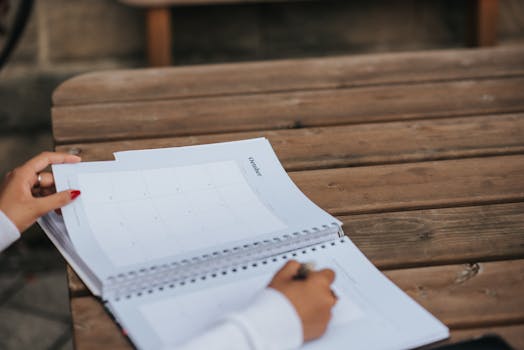
Imagine Monday: You open your weekly spread and see goals, recurring tasks, and a column for tracking habits and tasks. You feel in control, not overwhelmed.
List each key responsibility by day. Add habit rows like “Drink water” or “No social media before noon”. Track what matters and skip what doesn’t.
End each week by coloring or checking completed boxes. Flip back and spot streaks, lapses, and patterns using this visual feedback.
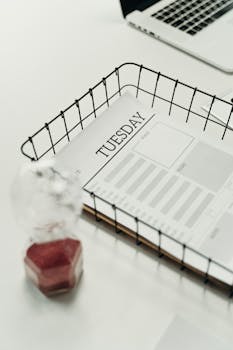
Using daily log pages for task capture and rapid reviews
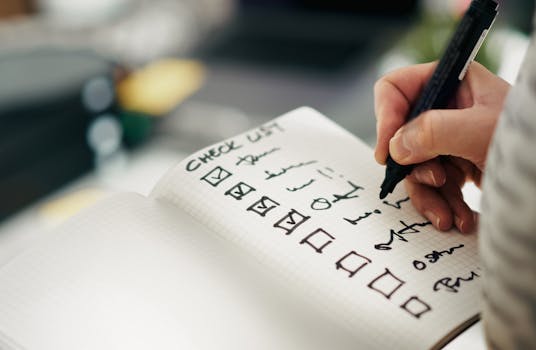
Every morning, jot down your tasks and transfer unfinished items from yesterday. This step keeps your focus on tracking habits and tasks throughout the week.
Top of page: three must-do tasks. Bottom: habit checkboxes, brief gratitude, or mood. Keep logs short, concrete, and quick to fill.
At night, glance over what was checked off. Prompt yourself: “Tomorrow, move these tasks up or drop them?” Make this micro-review a new habit.
| System | Best For | What to Track | Next Step |
|---|---|---|---|
| Bullet Journals | Handwritten planners | Habits, daily/weekly tasks, notes | Start with a habit tracker template |
| Spreadsheet Trackers | Numbers & trends lovers | Task completion, habit streaks | Set up columns for daily checks |
| Task Apps | Digital minimalists | Reminders, projects, repeating habits | Add repeating habits as scheduled tasks |
| Wall Calendars | Visual progress types | Daily streaks, big deadlines, events | Color in the squares for each streak |
| Whiteboards | Collaborative spaces | Shared team/household tasks | Assign colors for people or task types |
Combine goals, daily actions, and habit streaks for better clarity
Bringing together goals, routines, and habits under tracking habits and tasks lets you spot gaps or overloaded spots before things slip through the cracks.
Move big goals into daily actions. Break habits into mini-steps, then mark real wins. Tracking habits and tasks this way reveals what fuels real progress.
Clarify each goal’s action step every morning
Your morning checklist should go beyond “Do more exercise.” Instead: “Walk 15 minutes before work” is a tracking habits and tasks entry you’ll actually follow.
Link habits directly to outcomes—see “read 10 pages” instead of “read more.” Each check builds streak confidence for the next morning.
- Write down three clear steps for today’s top goal. This narrows your focus and ensures nothing gets lost or postponed.
- Block a set window, such as 8:00–8:30 AM, just for starting on major habits or the first to-do. It adds structure and makes progress automatic.
- Set a visible reward after completing a tracked action, like “Have coffee after 20 pushups.” This helps connect effort and achievement physically.
- Use one color or highlight for tracked habits, another for tasks. Glancing once shows what got done and what still needs attention, avoiding missed lines.
- Plan breaks after every 3–4 checked tasks or blocks. Tracking rest alongside habits and tasks means more energy and higher tracking consistency.
Track three big wins for the week at the bottom of your pages. Celebrate what’s working before planning next steps.
Sequence habits and tasks to build momentum
Chain habits together. For example: every time you finish your journal entry, prep tomorrow’s to-dos. Tracking habits and tasks this way reduces friction.
Pair a