Anúncios
Busy schedules make it easy to forget appointments and lose track of goals. By blending digital and paper planning, you create a safety net for memory lapses and missed tasks.
Organizing your time isn’t only about remembering deadlines. It’s about finding the right mix of technology and tradition to give you flexibility, reliability, and peace of mind.
Discover how to combine digital calendars and paper planners for a smarter routine. You’ll find detailed steps and concrete tips throughout this guide—let’s get started!
Synchronizing routines for reliable daily planning
You’ll establish daily consistency as you sync digital and paper planning tools. This section offers routines that let you coordinate both systems seamlessly.
With each system supporting the other, you reduce the chances of missing essential dates. Let’s make your workflow smoother and more trustworthy.
Morning check-in sequence
Start each morning by opening your digital calendar on any device. Glance at today’s appointments and note any changes since last night.
Turn to your paper planner and review tasks for the day. Adjust priorities using insights from your calendar, rewriting urgent assignments directly on paper.
Jot down time-blocks for top priorities from your digital and paper planning review. This syncs your intention for the day between both systems instantly.
Evening closure routine
Begin your evening check by opening your paper planner to mark off completed tasks. Pair this with your digital device to review tomorrow’s events.
Copy last-minute meetings or reminders from digital to paper if you’ll need them first thing. Update project notes or deadlines, ensuring both tools match.
End the routine by scanning both pages and screens. If you spot differences, fix them immediately so your planning stays coherent and hassle-free.
| System | Strengths | Weaknesses | When to Rely On |
|---|---|---|---|
| Digital Calendar | Auto-reminders, quick editing, device sync | Battery required, screen fatigue | Scheduling meetings, travel, recurring events |
| Paper Planner | Memory retention, tactile feedback | Harder to update remotely, not searchable | Daily to-do lists, notes, creative planning |
| Combo Approach | Reduces missed tasks, supports habit tracking | Requires discipline for syncing | Weekly reviews, big project tracking |
| Digital Notes App | Clips articles, stores info fast | Can get cluttered quickly | Jotting ideas, saving lists |
| Paper Sticky Notes | Physical reminders, visible prompts | Easy to lose, messy desk | Urgent reminders, phone call notes |
Assigning roles for each system in your workflow
Clear roles boost efficiency when using digital and paper planning together. Assigning tasks to each tool prevents confusion and saves time every week.
Decide in advance which types of information will live on your digital calendar and what belongs in your paper planner.
Task management division
Digital calendars track deadlines, events, and time-stamped appointments—think dentist visits or work meetings. Record these immediately to reduce forgetfulness and double bookings.
Paper planners are perfect for outlining daily priorities, breaking down chores, and capturing stray thoughts. Use the notes space to diagram ideas or rewrite unclear task steps.
- Put all meetings, calls, and events in your digital calendar—this creates instant access on any connected device.
- Capture big-picture goals and major milestones in your digital system. Add due dates for recurring monthly or quarterly targets to keep progress steady.
- Reserve your paper planner for day-to-day lists—include groceries, chores, errands, and micro-tasks. Carry it around for on-the-spot planning.
- Write down new habits or streaks in your paper planner. Checking them off by hand provides a quick reward that boosts motivation for the next day.
- Use the paper planner for unfiltered brainstorming while sitting at a café or on the sofa. This space allows for creativity without distraction from digital notifications.
Assigning roles brings order. When in doubt, ask yourself: “Will I need a reminder or can this live as a written task?” Then store the info accordingly.
Checklists for weekly review
Hold a 20-minute review every Sunday. First, glance through your digital and paper planning entries for any mismatches or unfinished tasks.
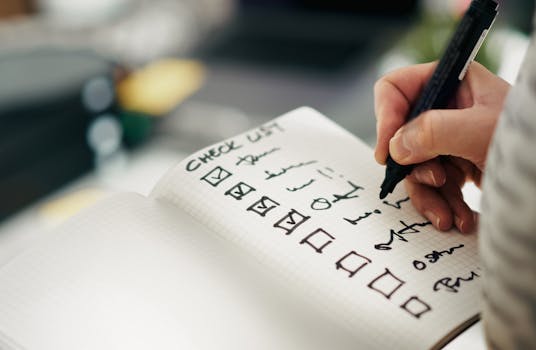
Next, write a checklist in your paper planner of lingering assignments or ideas copied from your devices. Group related tasks by priority before starting the new week.
- Sync tasks between digital and paper weekly—translate completed items and still-open assignments to both tools as needed, minimizing chances of anything slipping through.
- Highlight deadlined items in your digital calendar so your mobile reminders work while you’re out or commuting, bridging any coverage gaps with paper planning.
- Break major projects into milestones—set appointment-like reminders digitally, and daily subtasks in your paper schedule for visible, bite-size progress each day.
- Create habit trackers in your paper planner; update with digital check-ins once a week to visualize larger progress over the month.
- Batch similar errands, emails, or calls onto a handwritten checklist, then slot them as digital time blocks so nothing is missed if paper gets misplaced.
Consistency turns review into a ritual—copy this routine and tweak it for your style to stay on top of digital and paper planning in tandem.
Sequencing and batching for smooth transitions
Alternating between digital and paper planning isn’t just efficient—it reduces the risk of missing hidden details and strengthens recall for commitments.
Let’s set actionable rules and sequences to make transitions smooth, so you can capture all essential info quickly and confidently.
Transition rule: One system, one update
After a new meeting gets scheduled, enter it immediately in your digital app. Later, during your daily review, copy time-sensitive details into your planner.
This single-entry approach prevents mismatches and gives you one reliable source to check first. Matching both tools becomes a simple evening or morning habit.
See a deadline pop up on your phone? Flip open your planner and draw a star or use a bright color to highlight the new entry for the day.
Batching tasks: scenario in action
Picture this weekend: you plan groceries in your planner’s to-do section, then block out checkout and meal-prep times on your digital calendar for reminders.
When working, batch emails and phone calls as handwritten lists. Once finished, create digital calendar holds for meeting follow-ups or future response windows.
Anchoring each batch to a system—digital for reminders, paper for lists—keeps you organized and helps you remember more by splitting up cognitive loads.
Customizing your systems to match unique needs
Tailor digital and paper planning tools to your life. Personalization saves time, reduces frustration, and helps you stick with routines more consistently.
Add color, adjust calendar views, or redesign daily page templates so they line up with your habits and working style.
Color-coding and labeling strategy
Assign colors for types of activities in your digital calendar: blue for work, green for exercise, red for deadlines. Match highlighters or pens in your paper planner.
Label each section of your planner—morning goals, afternoon meetings, evening plans—to mirror your digital calendar, creating an immediate connection each day.
Once you’ve synced colors and labels, scan your planner page each night, checking if anything important stands out or overlaps oddly.
Adapting layout templates for flexibility
Redesign your paper planner’s layout so it matches your workflow: add more space for notes or blank pages for doodling. Use printed stickers if handwriting isn’t your strength.
In your digital app, experiment with weekly or monthly calendar views depending on what matches your job or school style. Hide low-priority lists to reduce clutter.
Review your system at least once a month to add new habits or features inspired by digital and paper planning check-ins, evolving both tools as your needs change.
Boosting recall and focus with analog and digital cues
Pairing digital and paper planning improves memory by tapping into different senses and learning styles—visual, digital, and kinesthetic.
Use strategies from this section to help recall commitments while minimizing daily distractions.
Analog cues for reliable reminders
Place your open planner next to your keyboard or on your coffee table. Glancing at handwritten lists nudges you to start tasks and avoid procrastination.
Jot subtasks and phone numbers on sticky notes or in your planner’s notes section. The physical act of writing cements urgency and intention better than typing alone.
Finish each task by physically crossing it off. This tangible cue boosts satisfaction and cue-based memory, reinforcing digital reminders’ alerts.
Digital nudges to keep you on track
Set calendar alerts ten minutes before each task block—your phone buzzes and nudges your attention, even when you’re absorbed in paper planning or creative work.
Schedule routine check-ins at midday and evening using recurring digital notifications. These short pauses help you update your planner and digital list regularly.
Digitally log finished paper planner checklists by taking a quick photo. This creates a backup and makes future reviews simple and convenient.
Creating a reliable system for every season
Flex your approach based on changing seasons, work cycles, or new responsibilities. Digital and paper planning adapt easily with small tweaks, preventing overwhelm.
This section offers concrete action plans for handling deadlines, busier periods, and slow stretches of the year.
Seasonal shift checklist
As the school year starts or a big project approaches, increase your digital calendar use. Mark deadlines, exam dates, or presentations with recurring alerts and color tags.
Assign daily self-checks in your paper planner: note three priorities each morning and cross them off by evening during these busier months or weeks.
- Increase check-ins with digital and paper planning whenever you add new work, study blocks, or travel so updates don’t pile up.
- Use both tools to plan holiday breaks—schedule self-care and rest in your calendar, and block simple downtime reminders on paper.
- Group family events or special celebrations in bold on both systems, ensuring nothing clashes or is overlooked in the transition from paper to digital.
- Delegate shared events (family trips, birthdays) to shared digital calendars, but copy the highlights onto your own planner for quick reference offline.
- For big transitions, dedicate a note at the top of each weekly planner page to review seasonal goals set digitally—bring your vision to both spaces.
During quieter times, scale back digital reminders and lean into paper planning for daily reflection, habit tracking, and open-ended creative thinking.
Adapting roles as demands shift
When responsibilities change, prompt regular system reviews. Audit which planning method is supporting you best, and adjust to rebalance digital and paper planning roles.
For example, if work deadlines pile up, increase digital scheduling. If you’re building new habits, rely on handwritten lists until routines feel automatic again.
- Review goals monthly—move forgotten to-dos from digital into paper lists for visibility.
- Mark changed priorities with new colors in your calendar or with stickers in your planner for instant recognition.
- Tweak your morning or evening routines quarterly to catch newly added responsibilities or tasks, ensuring your planning remains relevant.
- Pause and declutter—delete unused digital reminders and tear out planner pages for a fresh start each season.
- Ask yourself weekly: “Does this system reduce my stress and help me show up on time?” If not, tweak settings or spread tasks differently.
Shifting systems with changing demands makes digital and paper planning sustainable no matter where you are in life.
Finding your best mix for lasting success
Both digital and paper planning have unique benefits. By combining them with clear routines and custom adjustments, you’ll boost reliability and reduce daily stress.
Assigning clear roles, syncing your systems, and reviewing weekly will help you remember commitments and speed up task completion in any busy season.
With your own blend, stay grounded and adaptable even as priorities change. Adjust your mix as needed—your system should evolve as you do.